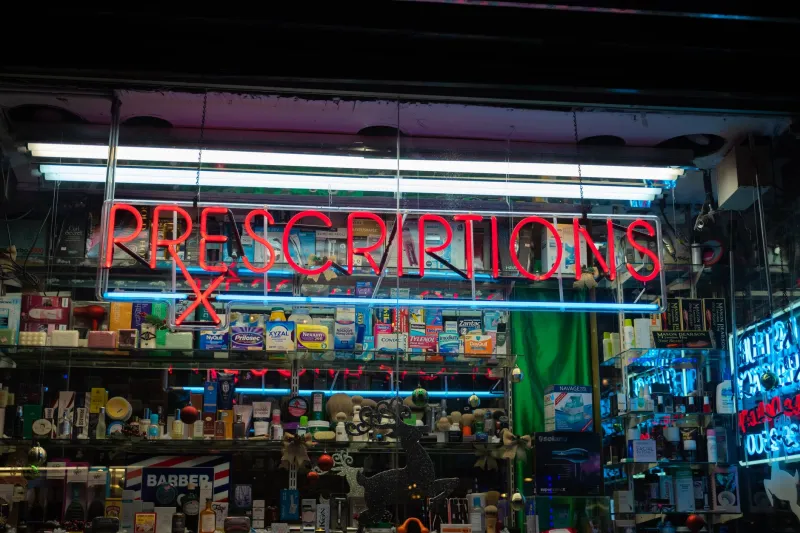
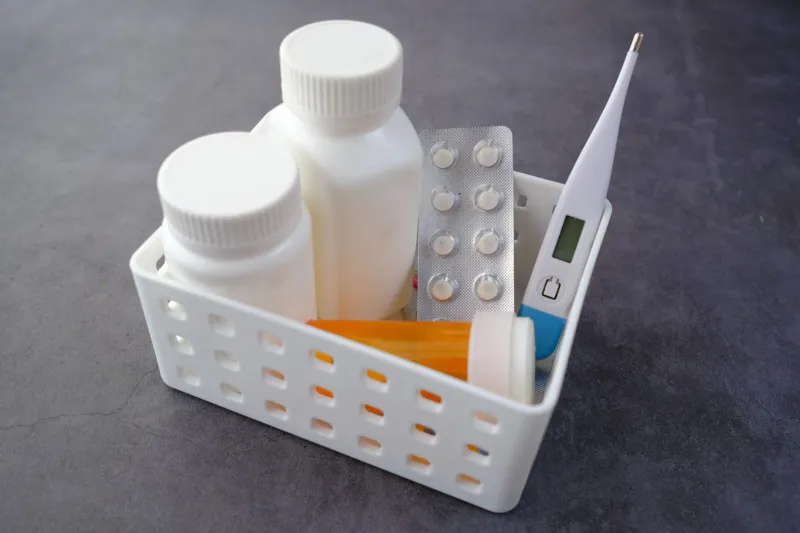
The 3 A.M. Problem: What Actually Happens When You Order a Prescription in the Middle of the Night

It is 3:12 a.m. in Dayton, Ohio. A parent, up with a sick child, opens a laptop and refills a prescription for an antibiotic through an online pharmacy. The screen flashes a confirmation. The order, as far as the customer can tell, is done. But what has actually happened in those few seconds — and, more importantly, what has not happened yet?
The Illusion of Instant Fulfillment
Online pharmacy platforms operate on what industry insiders call an asynchronous model. The ordering layer — the website, the shopping cart, the payment processor — never sleeps. It validates your insurance information, checks drug interactions against your medication profile, and queues the order with mechanical precision. This part is genuinely automated, and it works just as well at 3 a.m. as at 3 p.m.
Everything after that point, however, is governed by human schedules. A licensed pharmacist must review and approve most prescription orders before they can be dispensed, and that review typically happens when pharmacy staff begin their shifts. Your midnight order is not ignored; it is parked in a digital queue, timestamped and prioritized, waiting for the first pharmacist to log in.
A Timeline of a Typical Overnight Order
Consider how the hypothetical Dayton order unfolds:
- 3:12 a.m. — Order placed. Automated systems verify insurance eligibility, screen for drug interactions, and flag the prescription for pharmacist review.
- 3:13 a.m. — Payment authorized. A hold, not a charge, appears on the card.
- 7:00–9:00 a.m. — A pharmacist reviews the order. If anything looks unusual — a dosage change, a new drug, a refill requested too early — the order enters a manual review queue, which can add hours or trigger a call to the prescriber.
- 9:00 a.m.–noon — Approved orders move to fulfillment: dispensing, labeling, packaging. Mail-order facilities often run batch processing during these hours.
- Afternoon or next day — The package is handed to a carrier. Delivery timelines now depend entirely on shipping speed, not on when the order was placed.
The takeaway is simple: ordering at 3 a.m. versus 9 a.m. rarely changes much. The queue is processed in roughly the same order either way. What matters is the cut-off time — many mail-order pharmacies specify, for example, that orders approved by 2 p.m. ship the same day.
Where Overnight Errors and Delays Creep In
Automation reduces certain mistakes and introduces others. Typing a drug name at 3 a.m. — groggy, rushed, worried — increases the risk of selecting the wrong product from a look-alike dropdown list. Automated systems catch many of these errors, but not all.
Other friction points include:
- Prior authorization stalls. If an insurer requires approval, nothing moves until business hours, and sometimes not for days.
- Inventory gaps. The website may show an item as available when the fulfillment center is actually out of stock, a discrepancy discovered only when staff arrive.
- Address and delivery errors. Late-night orders placed in haste sometimes carry typos that surface only when a carrier attempts delivery.
How Traditional Pharmacies Handle the Overnight Hours
For comparison, consider the brick-and-mortar alternatives. Around-the-clock chain pharmacy locations do exist, though their numbers have shrunk in recent years as major chains have curtailed 24-hour service. In those stores, a pharmacist is physically present overnight, which means genuine real-time dispensing — valuable for urgent needs, but limited to whatever is on the shelf.
Some hospitals and urgent care centers maintain after-hours medication access for emergencies. And a growing number of pharmacies offer curbside or lockbox pickup for pre-approved refills, a middle ground between mail order and the counter.
Choosing the Right Channel for the Situation
Neither model is universally superior. A mail-order or 24/7 online pharmacy excels for maintenance medications — blood pressure tablets, statins, thyroid hormones — where a one-day lag is inconsequential and the convenience of ordering at any hour is real. An urgent infection at 3 a.m. is a different matter; that calls for an emergency department, an urgent care clinic with dispensing capability, or a genuinely round-the-clock pharmacy location.
The savviest patients use both: online fulfillment for predictable, recurring prescriptions, and a mapped-out list of nearby after-hours pharmacy options for the unexpected. Knowing which prescriptions sit in the automated queue and which demand a human behind a counter — before the next 3 a.m. arrives — is the difference between a smooth morning delivery and a stressful scramble.