Past the Date, Not Past Its Prime: A Science-Backed Look at Medication Expiration and What It Really Means for Your Health
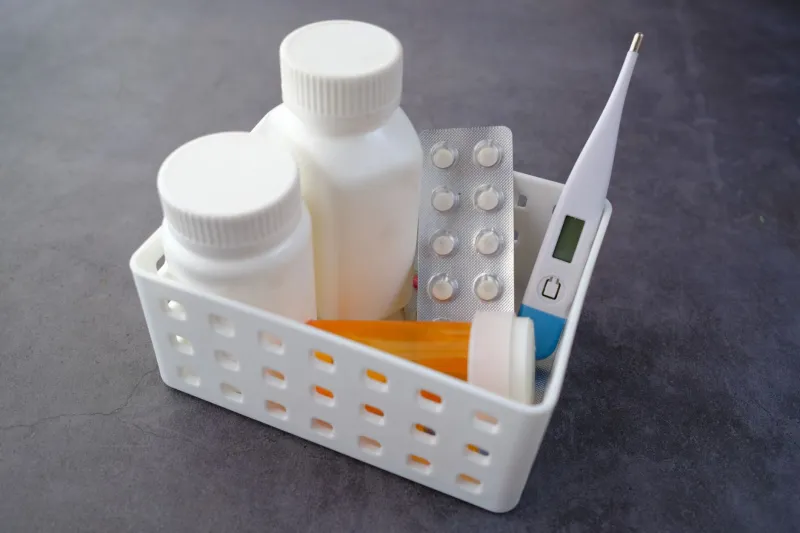
Every year, millions of Americans perform the same ritual: they open the medicine cabinet, squint at a bottle, notice the date has passed, and drop the medication into the trash — or, more harmfully, down the drain. The assumption is reasonable. If a label says a product expires in March, surely using it in April is risky.
But that assumption may be costing you money, and in some cases, preventing you from accessing a medication you actually need.
The science behind pharmaceutical expiration is more complicated — and in many ways, more reassuring — than most patients realize. At MedShop24, we believe informed consumers make better health decisions. So here is what the research actually shows about expiration dates, which medications you should never use past their label, and which ones may have more shelf life than you think.
Where Expiration Dates Actually Come From
The U.S. Food and Drug Administration requires all prescription and over-the-counter medications to carry an expiration date. That date is not an arbitrary guess. It represents the point through which the manufacturer can guarantee — through formal stability testing — that the drug maintains at least 90 percent of its labeled potency under specific storage conditions.
Here is the critical detail most people miss: that date reflects the end of the testing window, not necessarily the end of the drug's useful life. Pharmaceutical manufacturers are not required to test medications for ten or twenty years. Most stability studies run for one to three years. When testing stops, the clock stops — regardless of whether the drug has actually degraded.
In practical terms, this means expiration dates are often conservative by design. The drug may remain fully effective long after the label date, but the manufacturer simply has not tested that far out.
The SLEP Study: What the Military Discovered
The most compelling large-scale evidence on this question comes from an unlikely source: the U.S. military. Facing enormous costs from disposing of stockpiled medications, the Department of Defense partnered with the FDA in the 1980s to launch the Shelf Life Extension Program, known as SLEP.
Over the course of several decades, SLEP researchers tested more than 100 drug products — comprising thousands of individual lots — stored under controlled conditions. Their findings were striking. Approximately 88 percent of those medications remained safe and effective an average of 66 months beyond their original expiration dates. Some drugs maintained stability for well over a decade past their labels.
While SLEP was designed for military stockpiles rather than home medicine cabinets, the chemical findings are difficult to dismiss. They suggest that the relationship between the expiration date and actual drug degradation is far from one-to-one.
Medications That Generally Hold Up Well
Several drug categories have shown consistent stability in research settings, even years past their expiration dates.
Solid oral medications — standard tablets and capsules — tend to fare best. Common examples include:
- Antihistamines such as loratadine and cetirizine
- Pain relievers including ibuprofen and acetaminophen in tablet form
- Certain antibiotics like amoxicillin in capsule form (though liquid formulations are a different story)
- Thyroid medications and many blood pressure drugs in tablet form
These medications degrade slowly when stored away from heat, light, and humidity. A sealed bottle of ibuprofen tablets kept in a cool, dry location may remain effective well past its printed date — though potency may gradually decline rather than drop off a cliff on the expiration day.
It is worth noting that even modest potency reduction may be inconsequential for over-the-counter pain relievers used for minor discomfort, while the same reduction could matter considerably for someone managing a chronic condition with precise dosing requirements.
Medications You Should Never Use Past Expiration
The nuanced reality cuts both ways. While many drugs remain stable, others present genuine risks when used after their labeled date — and the consequences range from reduced effectiveness to serious harm.
Liquid formulations degrade significantly faster than their solid counterparts. This includes liquid antibiotics, children's liquid medications, and eye drops. Opened bottles are particularly vulnerable to contamination and chemical breakdown.
Nitroglycerin, used for acute chest pain, is among the most time-sensitive medications in common use. Its potency drops rapidly, and using degraded nitroglycerin during a cardiac event could prove fatal.
Insulin and other biologics — including many injectable medications — have complex molecular structures that break down in ways that standard chemical drugs do not. Expired insulin may not control blood glucose adequately, with potentially life-threatening results for people with diabetes.
Epinephrine auto-injectors, such as EpiPens, should never be used past expiration in anaphylactic emergencies. While some residual potency may remain, the stakes are simply too high to risk reduced effectiveness.
Liquid eye drops and topical ophthalmic solutions carry contamination risks after their labeled date, independent of potency concerns.
Tetracycline antibiotics are frequently cited in older literature as capable of causing kidney damage when degraded, though more recent research has questioned the severity of this risk. Out of an abundance of caution, this class should be replaced rather than extended.
Storage Conditions Matter as Much as the Date
A medication stored on a bathroom shelf — exposed to daily humidity from showers and fluctuating temperatures — will degrade faster than the same drug kept in a cool, dry closet. The expiration date assumes ideal storage conditions. If yours have been suboptimal, the effective shelf life may be shorter than what the label suggests.
For medications you rely on regularly, proper storage is not a minor detail. It is a fundamental part of maintaining their therapeutic value.
What This Means for Your Medicine Cabinet
The practical takeaway is not a blanket endorsement of using expired medications. It is a call for informed judgment rather than reflexive disposal.
For low-stakes, over-the-counter medications — antihistamines, pain relievers, antacids — a medication that expired six months ago and has been stored properly is unlikely to cause harm, though its potency may be modestly reduced. For critical medications — insulin, epinephrine, cardiac drugs, liquid antibiotics — expiration dates should be treated as firm deadlines.
If you are unsure about a specific medication, your pharmacist is your most accessible resource. At MedShop24, our pharmacy team is available around the clock precisely because medication questions do not always arise during business hours.
Replacing Medications Before You Need Them
One of the most practical lessons from this discussion is the value of proactive inventory management. Running out of a critical medication — or discovering that your backup supply has genuinely degraded — is a preventable problem.
Regularly reviewing what you have on hand, replacing time-sensitive medications before their expiration dates, and ensuring proper storage conditions are straightforward habits that pay real dividends in moments of need. With 24/7 delivery options available through MedShop24, restocking critical medications no longer requires a trip to the pharmacy at an inconvenient hour.
The Bottom Line
Expiration dates are a guarantee, not a cliff edge. For many medications, particularly solid oral drugs stored under appropriate conditions, the labeled date represents a conservative marker established by testing timelines rather than actual chemical failure. For others — especially biologics, liquids, and emergency medications — the date should be respected absolutely.
The most dangerous approach is treating all expiration dates as identical. Understanding the difference between drug categories, storage conditions, and the stakes involved in each medication's role in your health empowers you to make smarter decisions — and to know precisely when it is time to reorder.