Silent Danger in the Medicine Cabinet: How Drug Recalls Quietly Bypass Millions of American Households
Somewhere in your home right now, there may be a bottle of medication that a pharmaceutical manufacturer has already flagged as potentially unsafe. The FDA may have issued a formal recall notice. The distributor may have pulled remaining stock from warehouse shelves. And yet, the pills sitting in your cabinet — the ones you took this morning — may never have been reported back to anyone.
This is not a hypothetical scenario. It is a structural reality embedded in the way pharmaceutical recalls function in the United States, and it affects a far larger segment of the population than most people expect.
The Gap Between Recall and Notification
When the FDA classifies a drug recall, it assigns it one of three risk tiers. A Class I recall signals that continued use of the product is reasonably likely to cause serious adverse health consequences or death. Class II involves products that may cause temporary or medically reversible adverse effects. Class III covers items unlikely to cause health problems but that nonetheless violate FDA regulations.
The alarming reality is that even Class I recalls — the most urgent category — do not come with a guaranteed mechanism for reaching individual consumers. The FDA publishes recall announcements on its website and distributes press releases, but there is no federal mandate requiring pharmacies to directly contact every patient who received a recalled drug. The burden of awareness falls, by default, on the patient.
Pharmacy chains vary widely in their internal recall response protocols. Some larger retail chains have invested in automated patient notification systems tied to prescription records. Others rely on posted notices, phone calls to select patients, or simple removal of remaining stock — none of which helps someone who already took the medication home weeks ago.
Which Medications Are Recalled Most Often?
Data from the FDA's recall database reveals patterns that should concern any regular medication user. Blood pressure medications — particularly those in the angiotensin receptor blocker (ARB) class, such as valsartan and losartan — have been subject to high-profile recalls in recent years due to contamination with nitrosamine compounds, some of which are classified as probable human carcinogens. Millions of prescriptions were affected across multiple manufacturers.
Metformin, one of the most widely prescribed diabetes medications in the country, has also faced contamination-related recalls. Heartburn medications, over-the-counter sleep aids, and even common antibiotics have appeared on recall lists with varying levels of consumer outreach.
Generic medications are disproportionately represented in recall data, in part because of the sheer volume produced and the number of overseas manufacturing facilities involved in their production. This does not mean brand-name drugs are immune — they are not — but patients who assume that generics carry greater risk should understand that any medication manufactured at scale carries some degree of quality-control vulnerability.
Why the Notification Chain Breaks Down
Several structural factors contribute to the consumer awareness gap. First, prescription records are not uniformly centralized. A patient who fills prescriptions at multiple pharmacies, uses mail-order services, or purchases medications through different channels may not appear in any single database that a pharmacy can cross-reference during a recall.
Second, many Americans pay cash for certain prescriptions, particularly for generic drugs that cost less out-of-pocket than their insurance copay. Cash transactions often leave no trackable record linking a specific patient to a specific lot number — which is precisely the information needed to determine whether a recall applies to them.
Third, the FDA's recall notification system is largely opt-in. Unless a consumer has taken deliberate steps to subscribe to MedWatch safety alerts or similar services, they will not receive proactive communication from federal health authorities. Most people have never heard of MedWatch.
The Lot Number Problem
Recalls are typically issued against specific lot numbers — the alphanumeric codes printed on prescription bottles and medication packaging that identify which batch of a drug was produced at a specific facility during a specific production window. A recall may cover only a narrow range of lot numbers, which means that patients holding a different lot of the same medication are unaffected.
This is useful precision, but it creates a practical problem. Most patients discard packaging immediately. Many prescription bottles are too small to prominently display lot numbers, and patients are rarely instructed to retain this information. When a recall is announced weeks or months after a medication was dispensed, identifying whether a specific bottle falls within the recall scope becomes nearly impossible for the average household.
Practical Steps Every Medication User Should Take
Despite these systemic shortcomings, there are concrete actions that can meaningfully reduce your exposure to recall-related risk.
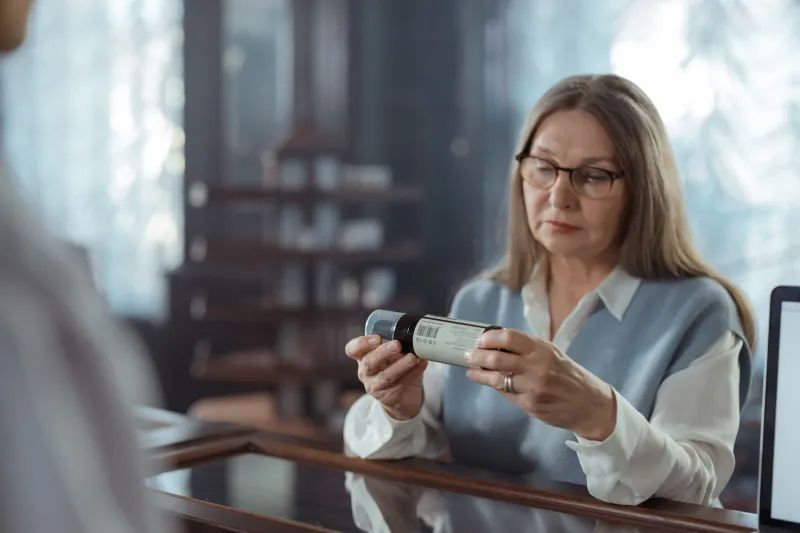
Retain your medication packaging. Outer cartons and bottle labels carry lot numbers and expiration dates. Keeping these — even just photographing them with your phone before discarding — gives you a reference point if a recall is announced later.
Register for FDA MedWatch alerts. The FDA's safety alert email subscription service sends recall notices directly to subscribers. It is free, requires only an email address, and covers both drugs and medical devices.
Maintain a single-pharmacy relationship where possible. Filling all your prescriptions at one pharmacy — or through one online pharmacy platform — makes it significantly more likely that your purchase history can be cross-referenced during a recall event. Consolidated records benefit both you and the pharmacy's notification team.
Check the FDA recall database proactively. The FDA maintains a searchable recall database at its website. If you take a medication that has been in the news for quality concerns, searching by drug name or manufacturer takes only a few minutes and could provide important peace of mind — or a critical warning.
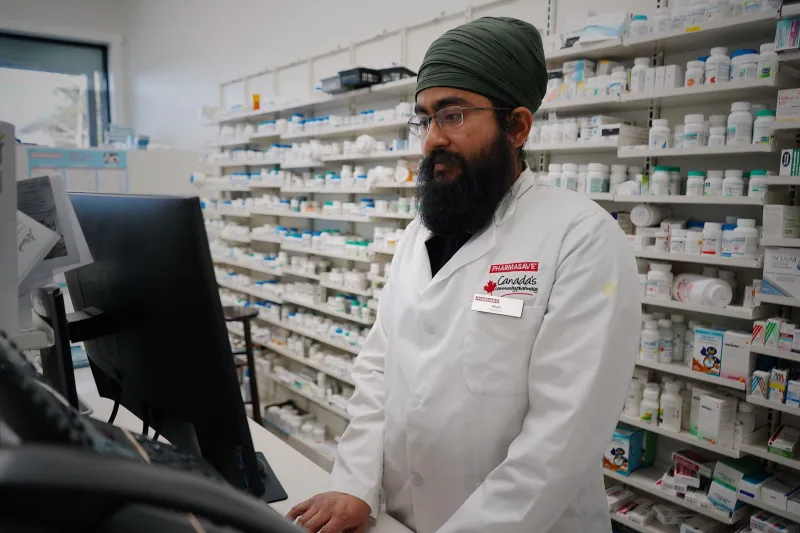
Ask your pharmacist directly. Pharmacists are among the most accessible healthcare professionals in the United States, and many are unaware that patients rarely think to ask about recall status. A direct question — "Has this medication had any recent recalls?" — opens a conversation that your pharmacist is trained to handle.
How MedShop24 Approaches Recall Transparency
At MedShop24, patient safety is not a background consideration — it is central to the service model. Our platform maintains up-to-date tracking of FDA recall notices and cross-references dispensing records against current recall listings. When a recall is identified that may affect a product in a customer's order history, our team initiates outreach through the contact information on file.
Beyond reactive notification, MedShop24 encourages all registered customers to enable safety alerts through their account settings. This creates a direct communication channel that supplements — rather than replaces — FDA notifications, giving customers an additional layer of protection.
The 24/7 nature of our platform also means that recall-related questions are never met with a closed counter or a callback during business hours. Whether it is a Saturday evening or early Monday morning, our pharmacy team is available to verify lot numbers, discuss whether a product should be discontinued, and assist with obtaining a safe replacement.
A Call for Greater Systemic Accountability
The consumer notification gap in pharmaceutical recalls is not a secret within the healthcare industry. It is a known limitation of a system that was designed primarily around supply chain management rather than individual patient safety. Closing that gap will ultimately require policy changes at the federal level — including potentially mandatory direct-to-patient notification for Class I recalls — and greater investment by pharmacy operators in proactive outreach infrastructure.
Until those changes arrive, the responsibility falls on individual patients to stay informed. The tools exist. The information is publicly available. What has been missing, for too many Americans, is the awareness that checking is even necessary.
Your medicine cabinet deserves the same scrutiny you would give any other consumer product. A recalled medication is not merely an inconvenience — in some cases, it represents a genuine and ongoing health risk. Knowing what you are taking, where it came from, and whether it remains safe is not an extraordinary standard. It is the minimum that every patient should expect — and demand.