Convenience Should Not Melt: Why Cold-Chain Rules Must Catch Up With Pharmacy Delivery
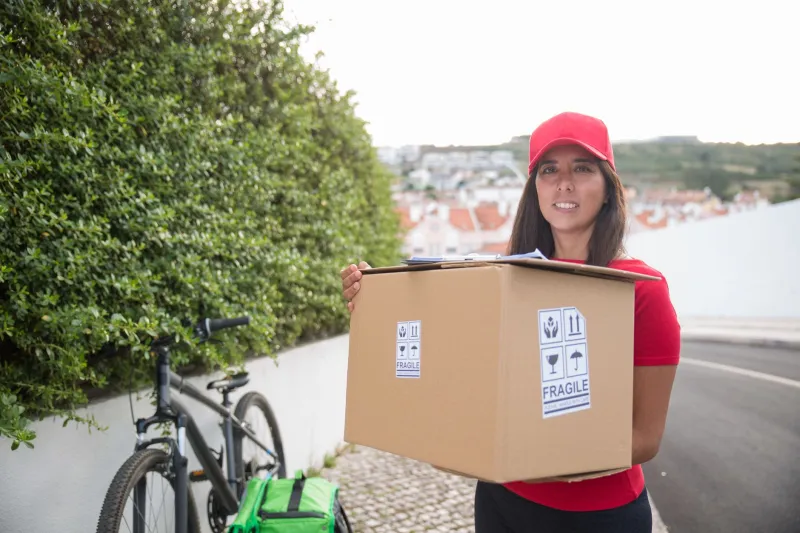
American consumers can track a pizza from oven to doorstep in real time, yet the insulin arriving on the same porch travels in a styrofoam box with no temperature record, no delivery-time guarantee, and no way to know whether a July heat wave compromised it. That gap between our logistics sophistication and our cold-chain accountability is not a small oversight. For millions of patients, it is a safety issue.
The Quiet Vulnerability of Modern Medications
Insulin is the most familiar example, but hardly the only one. GLP-1 receptor agonists — the injectable diabetes and weight-management drugs that have reshaped pharmacy shelves — require refrigeration before first use. Many biologics, certain injectable fertility medications, and some reconstituted antibiotics carry similar requirements. Manufacturers specify storage ranges precisely because these molecules are fragile: temperature excursions can degrade potency in ways that are invisible to the eye and, crucially, to the patient.
The problem is that last-mile delivery — the stretch from a regional depot to your front door — is precisely where cold-chain control is weakest. Hospital and pharmacy supply chains use validated, temperature-monitored shipping for good reason. The residential delivery model, built for books and batteries, was never designed for a vial that cannot tolerate a hundred-degree dashboard or a freezing January mailbox.
What the Current Standards Leave Unsaid
Regulations governing medication distribution focus heavily on the manufacturer-to-pharmacy leg of the journey. Once a prescription is dispensed to a patient, the formal cold-chain obligations thin out dramatically. Carriers are not required to monitor package temperatures. Retailers vary widely: some invest in insulated packaging, phase-change gel packs, and expedited shipping windows; others appear to treat a temperature-sensitive drug like any other parcel.
Patients, meanwhile, receive little guidance. How long was the box in a hot truck? Was it left in direct sun for four hours? Did it sit overnight in subfreezing temperatures? Without data, the patient must either trust blindly or discard expensive medication on suspicion — and insulin and GLP-1s are not cheap.
What Better Standards Would Look Like
This publication believes three changes are overdue:
First, temperature visibility. Shipping cartons for temperature-sensitive prescriptions should include low-cost indicators — color-changing labels that reveal heat or freeze exposure — as a baseline. Full data-logger tracking should become the norm, not the exception, and the results should be shared with the recipient.
Second, delivery commitments, not estimates. A medication that degrades in hours should not ship with a five-day delivery window. Retailers offering cold-chain products should commit to defined transit times and, ideally, require or encourage signature or prompt-pickup options during extreme weather.
Third, clear excursion policies. When something goes wrong, patients need a straightforward remedy: replacement without dispute. Right now, the burden of proof too often falls on the person least equipped to provide it.
Protecting Your Own Delivery Today
Until standards catch up, patients are not powerless. A few practical steps meaningfully reduce risk:
- Order with the weather in mind. Schedule refills so deliveries avoid heat waves and deep freezes. Early-week orders often spend less time in weekend warehouses.
- Choose expedited shipping when it is offered. The small fee buys fewer hours in uncontrolled environments.
- Be home, or redirect the package. Many carriers allow holding at a staffed facility or lockers — environments that are usually climate-controlled, unlike your porch.
- Inspect immediately. Open the package the moment it arrives. Check for a working cold pack, condensation, or a warm container, and refrigerate per the label's instructions.
- Ask before discarding. Manufacturers and pharmacists can often advise whether a specific excursion is acceptable. Some insulins tolerate brief room-temperature periods; others do not. Never guess.
Convenience is a genuine good — for rural patients, homebound seniors, and working parents, pharmacy delivery removes real barriers to care. But convenience that quietly compromises a medication's potency is not convenience at all. Retailers and carriers have the tools to close this gap. What is missing is the will to make cold-chain transparency a standard feature of every temperature-sensitive delivery, and patients asking for it is where that will begins.