What's Really Lurking in Your Medicine Cabinet — And What It's Costing You
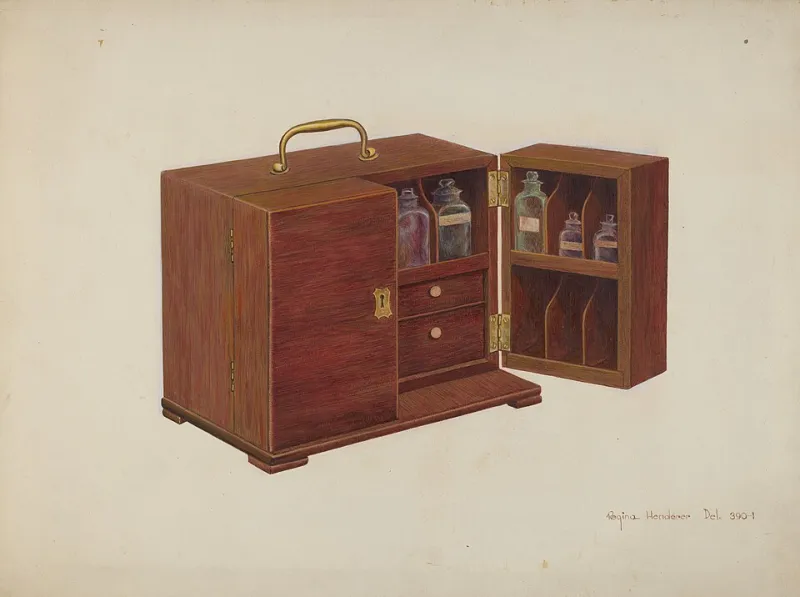
Photo: Regina Henderer, CC0, via Wikimedia Commons
The Medicine Cabinet Nobody Talks About
Open the average American medicine cabinet and you're likely to find a small pharmacy's worth of half-used bottles, blister packs with a few pills left, and expiration dates that passed sometime during a previous presidential administration. It's a familiar scene in millions of households across the country, and most people don't think twice about it.
But that cluttered shelf may be quietly draining your finances and, in some cases, putting your health at risk. The U.S. spends billions of dollars on prescription and over-the-counter medications annually, yet a significant portion of that investment is effectively thrown away — not into a trash can, but into a medicine cabinet where it slowly loses its value.
The Expiration Date Debate: Myth vs. Medical Reality
There's a persistent belief among consumers that medication expiration dates are largely a marketing tool — a way for pharmaceutical companies to drive repeat purchases. This idea isn't entirely without foundation. The U.S. military famously conducted studies suggesting that many medications retain potency well beyond their labeled dates under ideal storage conditions.
However, the operative phrase is ideal storage conditions — and the average American bathroom is the furthest thing from that. Humidity from showers, fluctuating temperatures, and exposure to light accelerate the chemical breakdown of active pharmaceutical ingredients. A medication that might technically remain stable in a cool, dry laboratory environment for several years past its expiration date can degrade significantly faster when stored above a steamy sink.
More importantly, degradation doesn't always mean a medication becomes harmless — it means it becomes unpredictable. Some compounds break down into byproducts that can cause adverse reactions. Others simply lose efficacy at a rate that makes dosing unreliable. For chronic conditions like hypertension or diabetes, taking a medication that delivers even 20 percent less than its labeled dose can have serious clinical consequences.
The Financial Math Behind Medication Waste
Consider a common scenario: a household keeps a bottle of ibuprofen, a prescription antibiotic from a previous illness, a tube of antibiotic ointment, and a supply of allergy tablets — all past their expiration dates. When symptoms arise, these medications are used first, often failing to provide adequate relief. The result? A second purchase of fresh medication, doubling the original cost.
According to estimates from health policy researchers, Americans waste hundreds of millions of dollars annually on medications that are never used before expiring. When you factor in the indirect costs — additional doctor visits when ineffective treatments fail, emergency pharmacy runs at inconvenient hours, and the general anxiety of managing an unreliable home supply — the financial picture becomes considerably worse.
The problem compounds for households managing multiple medications across family members. A parent managing their own blood pressure medication, a child's pediatric allergy syrup, and a shared cabinet of OTC pain relievers faces a genuine inventory management challenge with real financial stakes.
Proper Storage: The Guidance Most Consumers Never Receive
Pharmacists consistently report that patients are rarely counseled on medication storage at the point of dispensing. The standard advice — store in a cool, dry place — is technically accurate but practically useless without elaboration.
Here is what proper storage actually looks like:
- Temperature matters more than most people realize. Most medications should be stored between 59°F and 77°F. Leaving medications in a hot car, near a stove, or in a bathroom that regularly exceeds these temperatures can accelerate degradation significantly.
- Humidity is the silent enemy. Bathrooms, despite being the traditional home for medicine cabinets, are among the worst storage environments due to moisture exposure. A bedroom drawer, kitchen cabinet away from the stove, or dedicated storage box in a climate-controlled area is substantially better.
- Light exposure matters for certain medications. Liquid antibiotics, some vitamins, and several topical medications are particularly sensitive to UV exposure. Keep these in their original opaque packaging.
- Refrigeration is not universal. Some medications require refrigeration; others are damaged by it. Always follow label instructions, and if in doubt, consult a pharmacist before assuming cold storage is better.
The Convenience Factor and the Temptation to Stockpile
One underappreciated driver of medication waste is the stockpiling instinct. When medications are difficult to obtain — whether due to pharmacy hours, transportation challenges, or high costs — consumers naturally overbuy when they do have access. This leads to surpluses that outlast their expiration dates.
This is precisely where accessible, around-the-clock pharmacy services change the equation. When you know that a licensed pharmacist and a full formulary of medications are available at any hour through a service like MedShop24, the urgency to stockpile diminishes. You can purchase what you need, when you need it, with confidence that a fresh supply is always within reach. Smaller, more frequent purchases aligned with actual need replace the bulk-buying habit that fills cabinets with eventually wasted product.
Building a Smarter Home Medication Strategy
Maintaining an effective home medicine supply doesn't require a degree in pharmacology. It requires a system.
Start with a quarterly cabinet audit. Set a recurring reminder every three months to review all medications in your home. Check expiration dates, assess storage conditions, and dispose of anything that has expired or shows signs of degradation — discoloration, unusual odor, or changes in tablet texture are all warning signs.
Maintain a running list of your household's medication needs. This simple habit prevents duplicate purchases, ensures you reorder before supplies run out, and gives you a clear picture of what you actually use versus what you buy speculatively.
Finally, lean on pharmacist expertise. A conversation with a licensed pharmacist about your specific medications, storage questions, and household needs takes minutes and can save you significant money and frustration. At MedShop24, pharmacist consultations are available around the clock, precisely because medication questions don't confine themselves to business hours.
The Bottom Line
Your medicine cabinet is a financial asset — one that depreciates rapidly when neglected. The combination of proper storage habits, strategic purchasing, and access to timely professional guidance transforms it from a repository of waste into a genuine health resource. The cost of expired medications isn't just measured in dollars; it's measured in treatments that fail when you need them most. A little attention to what's on that shelf pays dividends that are both financial and deeply personal.