Skipping the ER: How a 24/7 Pharmacy Can Protect Your Health — and Your Wallet

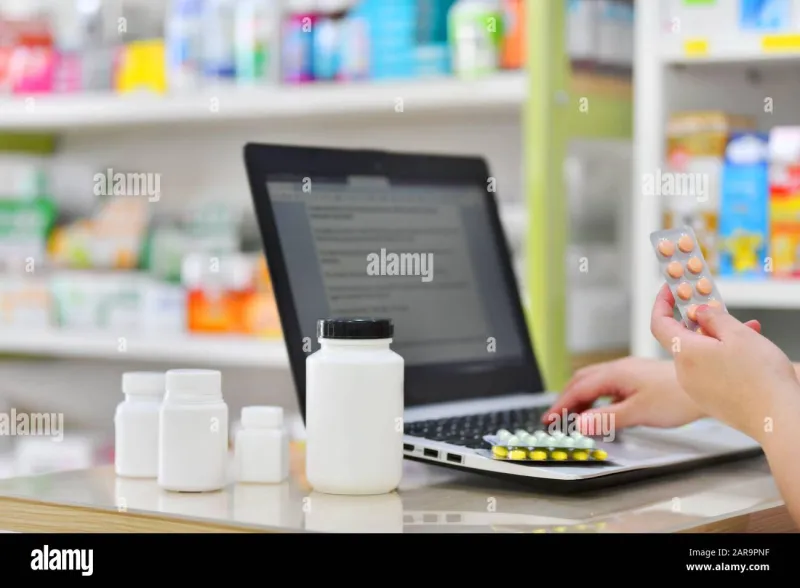
Photo: person consulting pharmacist at pharmacy counter night, via c8.alamy.com
At 2 a.m. on a Tuesday, your child develops a mild fever and a persistent cough. Your first instinct may be to head straight to the nearest emergency room. It is a natural reaction — parents want immediate answers, and the ER feels like the safest option. But that visit could cost your family anywhere from $1,500 to $3,000 or more, even with insurance, for a condition that a licensed pharmacist and a carefully selected over-the-counter regimen could have managed in minutes.
The financial consequences of over-relying on emergency departments are well documented, yet millions of Americans continue to use the ER as their default care destination for non-critical concerns. Understanding when a 24/7 pharmacy is the appropriate first stop — and when the ER is genuinely necessary — can mean the difference between financial stability and a medical bill that lingers for months.
The True Price Tag of an Emergency Room Visit
According to data from the Health Care Cost Institute, the average cost of an ER visit in the United States exceeds $2,200. That figure climbs significantly depending on the complexity of the visit, the hospital's geographic location, and whether the facility is in-network with your insurer. Even patients with employer-sponsored health insurance routinely face co-pays of $150 to $500 per visit, plus additional charges for lab work, imaging, or any medication administered on-site.
For the uninsured or underinsured — a population that represents roughly 26 million Americans — a single ER visit can trigger a financial crisis. Medical debt remains the leading cause of personal bankruptcy filings in the United States, and emergency department charges are a primary contributor.
What makes these numbers particularly striking is that researchers at the American College of Emergency Physicians estimate that between 30 and 40 percent of all ER visits involve conditions classified as non-emergent — meaning they could have been safely and effectively addressed in a lower-acuity setting, including a pharmacy consultation.
What a 24/7 Pharmacy Can Actually Handle
Modern pharmacy services extend well beyond dispensing prescriptions. At MedShop24, licensed pharmacists are available around the clock to assist customers in identifying appropriate over-the-counter treatments, reviewing potential drug interactions, and recommending when a condition genuinely warrants physician-level care.
Common conditions that pharmacy consultation routinely resolves include:
- Mild to moderate fever in adults and older children, managed with acetaminophen or ibuprofen
- Seasonal allergy flare-ups, addressed through antihistamines, nasal sprays, and decongestants
- Minor cuts, burns, and abrasions, treated with wound care supplies and topical antibiotics
- Heartburn and acid reflux episodes, managed with antacids or H2 blockers
- Cold and flu symptom relief, using targeted combination products
- Urinary tract infection (UTI) symptom management, including OTC pain relief while awaiting a telehealth appointment
- Mild skin rashes and insect bites, treated with hydrocortisone or antihistamine creams
For each of these scenarios, a pharmacist consultation at MedShop24 costs nothing beyond the price of the recommended products — a stark contrast to the co-pays, facility fees, and extended wait times that define the ER experience.
Wait Time: The Hidden Cost Nobody Talks About
Financial expense is only one dimension of the ER burden. The American College of Emergency Physicians reports that the national median wait time to see an ER physician hovers around 24 minutes, but that figure masks the reality that total visit duration — from arrival to discharge — averages nearly three hours. During peak periods, particularly on weekends and holidays, waits of four to six hours are not uncommon in major metropolitan areas.
For a working parent, a caregiver, or anyone without paid sick leave, three hours in an emergency waiting room carries its own economic cost. Lost wages, disrupted childcare arrangements, and the psychological toll of prolonged uncertainty all factor into the real price of an unnecessary ER visit.
Contrast that with the MedShop24 experience: customers can consult with a pharmacist via our 24/7 platform, identify the appropriate products, and place an order for delivery — all within a fraction of the time it takes to check in at most emergency departments.
Real Scenarios Where Pharmacy-First Saves Families Money
Scenario One: The Late-Night Fever A parent notices their eight-year-old has a temperature of 101.5°F at midnight. Without a 24/7 pharmacy resource, the default choice is the ER. A MedShop24 pharmacist, however, can quickly confirm that a fever at this level in a school-age child without additional concerning symptoms — such as a stiff neck, difficulty breathing, or a rash — is typically manageable at home with age-appropriate dosing of acetaminophen or ibuprofen. Total cost: under $20. Potential ER savings: $1,800 or more.
Scenario Two: Allergic Reaction to a New Detergent An adult develops hives and mild itching after switching laundry brands. The reaction is localized and does not involve facial swelling or breathing difficulty. A pharmacist can recommend an oral antihistamine and a topical corticosteroid cream, explain the warning signs that would require emergency care, and have products shipped within hours. Total cost: under $30. Potential ER savings: $2,000 or more.
Scenario Three: Heartburn Mistaken for Something Worse Severe heartburn can mimic cardiac symptoms, and that uncertainty is frightening. A pharmacist consultation can help a patient assess their symptom profile, recommend an appropriate antacid or proton pump inhibitor, and clearly outline when chest discomfort warrants immediate emergency evaluation. This guidance alone can help patients make confident, informed decisions rather than defaulting to costly care out of panic.
When the ER Is the Right Choice
Responsible pharmacy-first guidance always includes clarity about genuine emergencies. The following symptoms always warrant immediate emergency care, regardless of the hour:
- Chest pain, pressure, or tightness
- Difficulty breathing or shortness of breath
- Signs of stroke (sudden facial drooping, arm weakness, speech difficulty)
- Severe allergic reactions involving throat swelling or difficulty swallowing
- Loss of consciousness or altered mental status
- Uncontrolled bleeding
- Suspected poisoning or overdose
- High fever in infants under three months
MedShop24 pharmacists are trained to recognize when a customer's description of symptoms falls outside the scope of pharmacy management. In those situations, the guidance is unambiguous: call 911 or proceed to the nearest emergency department immediately.
Building a Smarter Health Strategy
The most financially resilient households treat pharmacy access as a foundational layer of their healthcare strategy — not a last resort. Stocking a well-curated home medicine cabinet, maintaining a relationship with a trusted pharmacist, and knowing which conditions are pharmacy-appropriate versus ER-appropriate can collectively save a family thousands of dollars annually.
MedShop24 supports that strategy by offering 24/7 pharmacist access, a comprehensive catalog of OTC medications and wellness supplies, and convenient delivery options that remove the friction from responsible self-care. The goal is not to replace emergency medicine — it is to ensure that emergency medicine is reserved for the emergencies that genuinely demand it.
Your health decisions should be driven by clinical need, not by a lack of accessible alternatives. With MedShop24 available around the clock, that accessible alternative is always within reach.