Two Patients, One Counter, Two Completely Different Bills: The Hidden Logic Behind Pharmacy Pricing

Photo by Photo by Navy Medicine on Unsplash on Unsplash
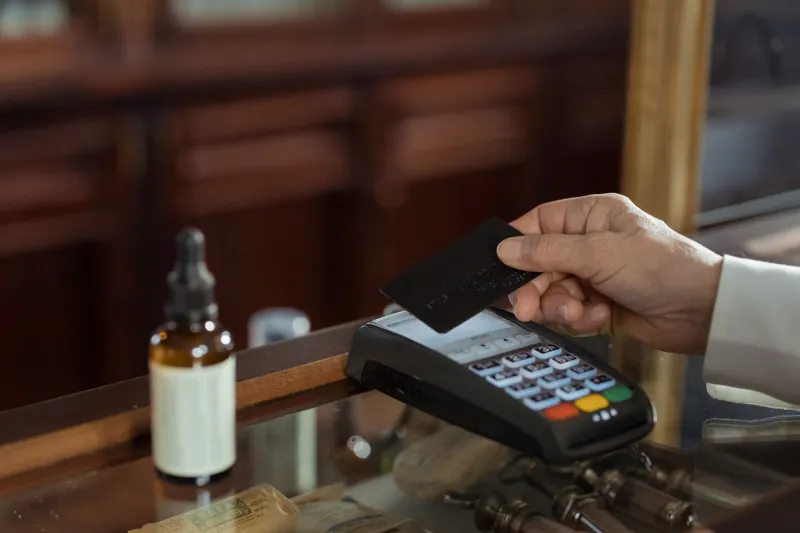
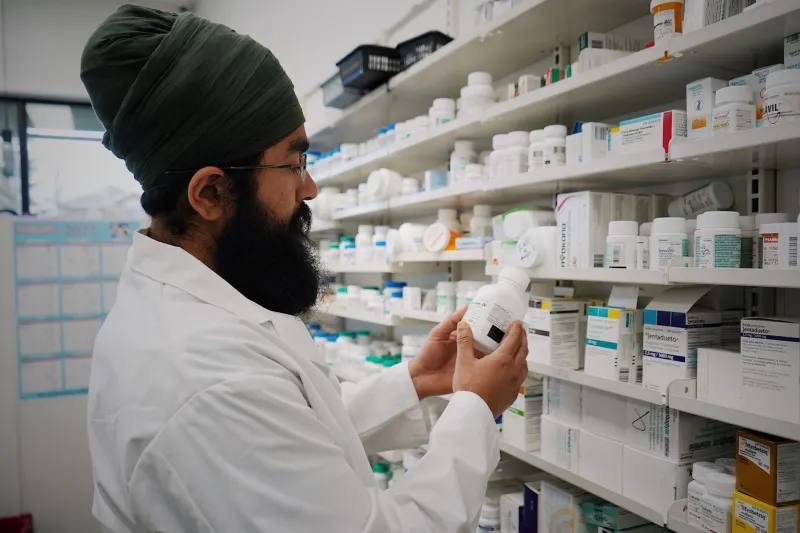
Imagine this scenario: you hand your prescription to the pharmacist, wait your turn, and pay $87 for a 30-day supply of a common blood pressure medication. The person directly behind you fills the exact same prescription at the exact same counter on the exact same afternoon — and pays $14. Neither of you did anything wrong. Neither of you was deceived. The pharmacy simply applied a different pricing pathway to each transaction, and the difference ran to more than $70.
This is not a hypothetical. It is a routine feature of American pharmacy economics, and it happens thousands of times every day across the country. If you have ever wondered why your medication seems to cost a different amount each time you refill it, or why a friend pays far less for the same drug, the answer lies in a surprisingly complex — and largely invisible — pricing architecture that most patients never fully understand.
Why Pharmacy Prices Are Not Fixed
Unlike the price of a gallon of milk, the retail price of a prescription drug is not a single number. It is the outcome of a negotiation between multiple parties — insurers, pharmacy benefit managers (PBMs), wholesalers, manufacturers, and the pharmacy itself — that concludes differently depending on who is asking and how they are paying.
The figure printed on the pharmacy's sticker, known as the Usual and Customary (U&C) price, represents the theoretical retail rate. But almost nobody actually pays that number. What you pay is determined by whichever pricing pathway your transaction travels through: your insurance formulary, a cash-pay discount program, a manufacturer coupon, a pharmacy loyalty card, or some combination of these.
Each pathway has its own negotiated rates, its own eligibility rules, and its own blind spots. The pharmacist at the counter often cannot tell you which one will be cheapest for your specific situation without you explicitly asking.
The Insurance Trap Most Patients Don't See Coming
Having health insurance is generally beneficial, but when it comes to prescription pricing, it can occasionally work against you. Your insurer negotiates a contracted rate with your pharmacy, but that contracted rate is not always lower than what you could access through a cash-pay discount program.
Pharmacy benefit managers — the intermediaries who sit between insurers and pharmacies — set copay structures that sometimes exceed the actual discounted cash price of a generic medication. For certain low-cost generics, using your insurance card may trigger a copay of $15 to $25, while paying cash through a discount program like GoodRx, RxSaver, or a pharmacy's own savings club could bring the same drug to under $5.
The critical detail here is that pharmacies are generally not required to volunteer this information. You must ask. A simple question — "Is there a cash price or discount program price that would be lower than my insurance copay?" — can immediately surface options your pharmacist is prepared to offer but was not prompted to mention.
Manufacturer Coupons: Powerful but Temporary
For brand-name medications, manufacturer coupons and patient assistance programs can dramatically reduce out-of-pocket costs. Pharmaceutical companies frequently offer copay cards that cap your monthly expense at a nominal amount — sometimes as low as zero dollars — for medications that would otherwise cost hundreds per fill.
These programs are particularly relevant for patients on newer brand-name drugs for chronic conditions such as diabetes, autoimmune disorders, or cardiovascular disease. The catch is that manufacturer coupons are typically ineligible for use with government insurance programs including Medicare and Medicaid. Patients on commercial insurance, however, can often stack these coupons on top of their existing coverage.
The expiration date and annual cap embedded in these programs also deserve careful attention. Many coupons reset annually, and some impose a maximum savings ceiling per calendar year. Tracking these details — or using a pharmacy that actively manages them on your behalf — can prevent unexpected cost spikes mid-year.
Loyalty Programs and Pharmacy-Specific Pricing
Major pharmacy chains operate their own membership and discount programs that exist entirely outside the insurance system. Programs like Amazon Pharmacy's RxPass, Walmart's $4 generic list, and various chain-specific savings clubs offer flat-rate pricing on hundreds of common generics for enrolled members.
These programs are particularly valuable for patients who take multiple maintenance medications and have high-deductible insurance plans. Rather than applying insurance to each fill and paying the deductible price, enrolling in a pharmacy discount program can produce consistent, predictable monthly costs that are frequently lower than the insurance-adjudicated rate.
The limitation is selection. Pharmacy savings programs typically cover generics and common medications, not specialty drugs or recently launched brand-name therapies. For patients managing complex conditions with specialized medications, these programs may address only part of their monthly pharmacy spend.
The GoodRx Effect and Third-Party Discount Cards
Third-party prescription discount services have fundamentally altered the pharmacy pricing landscape over the past decade. By aggregating negotiated rates across thousands of pharmacies, platforms like GoodRx create a secondary marketplace where patients can comparison-shop their prescriptions the way they might compare airline tickets.
Prices vary significantly by pharmacy location and can shift from week to week. A medication that costs $22 at one major chain might be available for $9 at an independent pharmacy two miles away using the same discount card. Checking multiple sources before filling any prescription — particularly a new one — takes approximately three minutes and can yield meaningful savings.
It is worth noting that using a third-party discount card means the transaction does not apply toward your insurance deductible. For patients in the early months of a plan year who are working toward their deductible, this trade-off requires careful calculation.
Practical Steps to Take at the Counter
Armed with an understanding of how pharmacy pricing actually works, there are several concrete actions every patient can take to protect their wallet:
Ask the direct question. Before completing any transaction, ask your pharmacist: "What is the lowest price available for this prescription today, including cash-pay and discount program options?"
Check a discount aggregator before you go. Spending two minutes on a third-party pricing platform before leaving for the pharmacy tells you what the floor price should look like and gives you a reference point for the conversation at the counter.
Inquire about manufacturer programs for brand-name drugs. If you are being prescribed a brand-name medication, ask whether the manufacturer offers a copay assistance card and whether your pharmacy can apply it directly at the point of sale.
Consider 90-day supplies. Many pharmacies and mail-order services offer meaningful per-unit discounts on 90-day fills compared to monthly refills. For stable, long-term medications, this approach reduces both cost and the frequency of pharmacy visits.
Revisit your pricing annually. Generic drug prices shift constantly as manufacturing contracts change and new suppliers enter the market. A medication that was cheapest through your insurance last year may now be less expensive through a cash-pay program.
Why Transparency Matters More Than Ever
The pricing disparity at the pharmacy counter is not the result of fraud or error — it is a structural feature of a system built around negotiated contracts rather than published price lists. That system places a significant burden on patients to advocate for themselves in a technical environment most were never trained to navigate.
At MedShop24, we believe that access to clear, actionable information is itself a health resource. Understanding that two identical prescriptions can carry two completely different price tags is the first step toward ensuring yours is always the lower one. The knowledge is available. The tools exist. The conversation at the counter is always worth having.